Automotive Software Engineering
Elite outsourcing for SDV architectures, AUTOSAR, and safety-critical mobility.
Software-Defined Vehicle Mastery
We provide dedicated teams of elite software engineers to automotive giants. We scale your development capacity instantly without compromising code quality.
From embedded C++ development for ECU firmware to cloud-connected fleet management systems, our offshore teams integrate seamlessly with your internal development pipelines. We specialize in AUTOSAR-compliant architecture design and ISO 26262 functional safety compliance.
Engage Our Team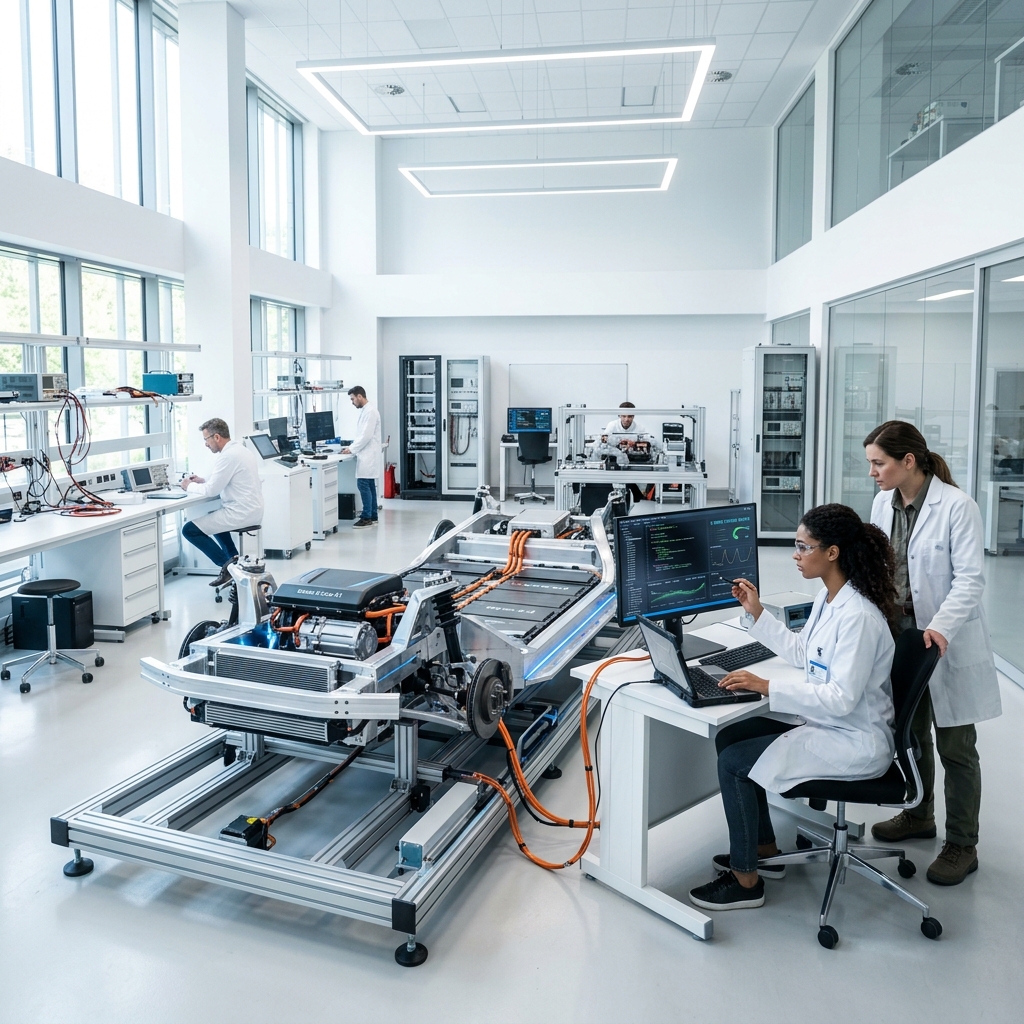
Engineering Process & Quality
A structured and disciplined engineering process designed for complex embedded systems where safety and maintainability are critical.
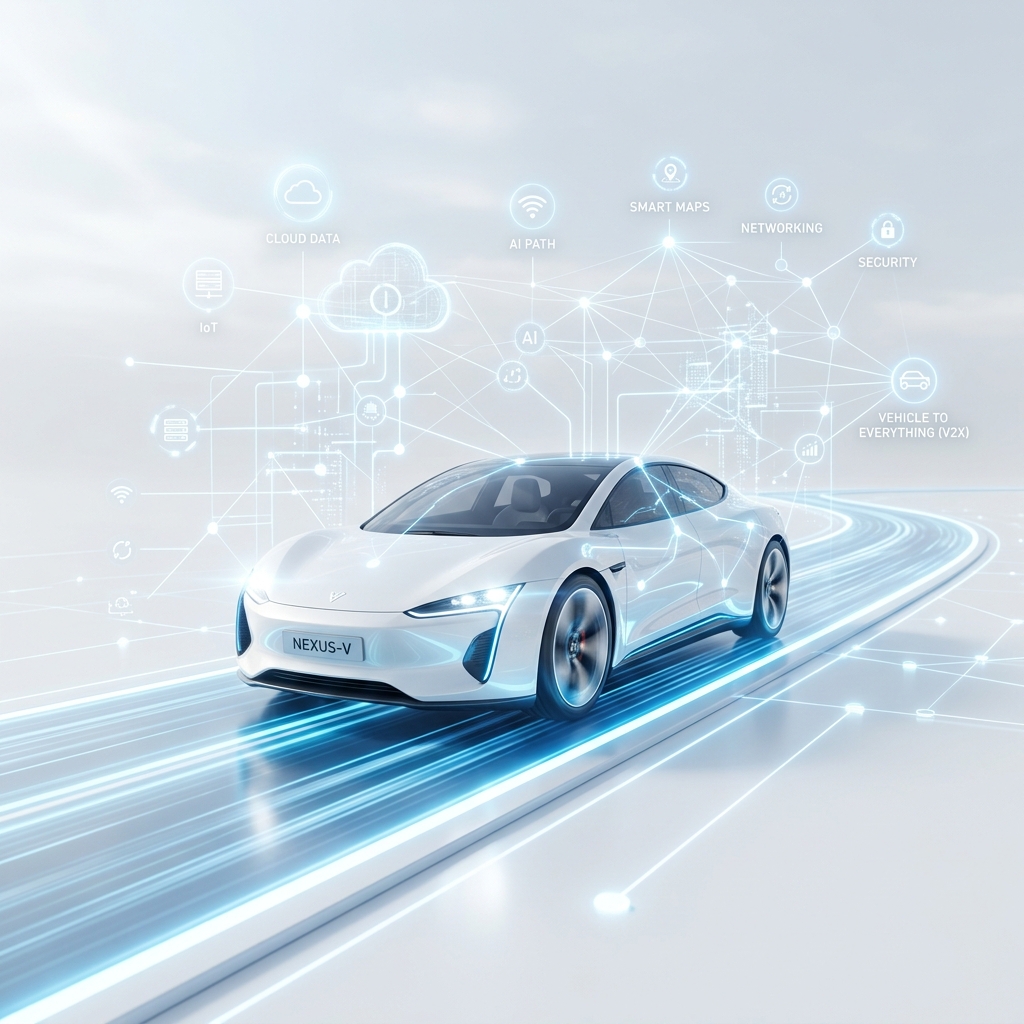
Interconnected Services
Technical consulting, product development, managed outsourcing, and architecture refactoring work together seamlessly.
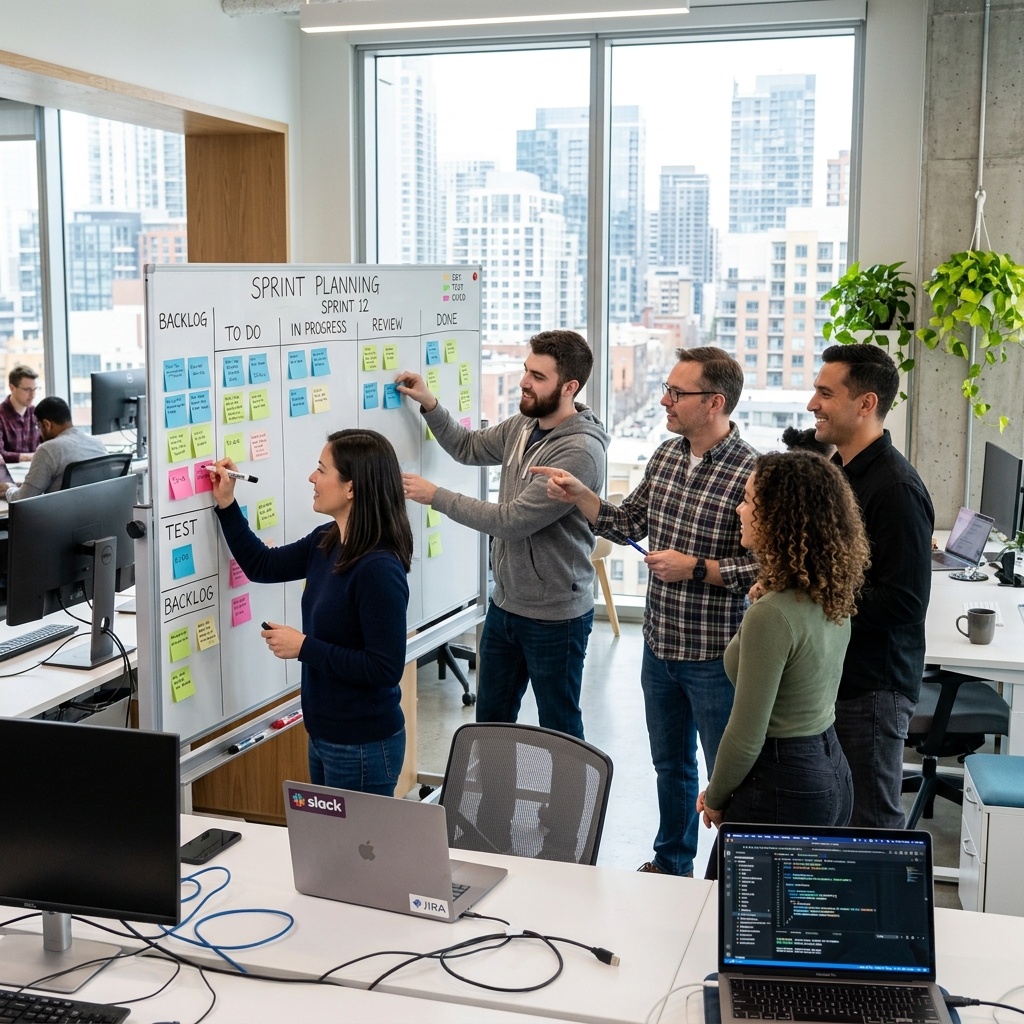
SAFe for Automotive
Multi-level planning and execution with safety compliance at every stage of development.
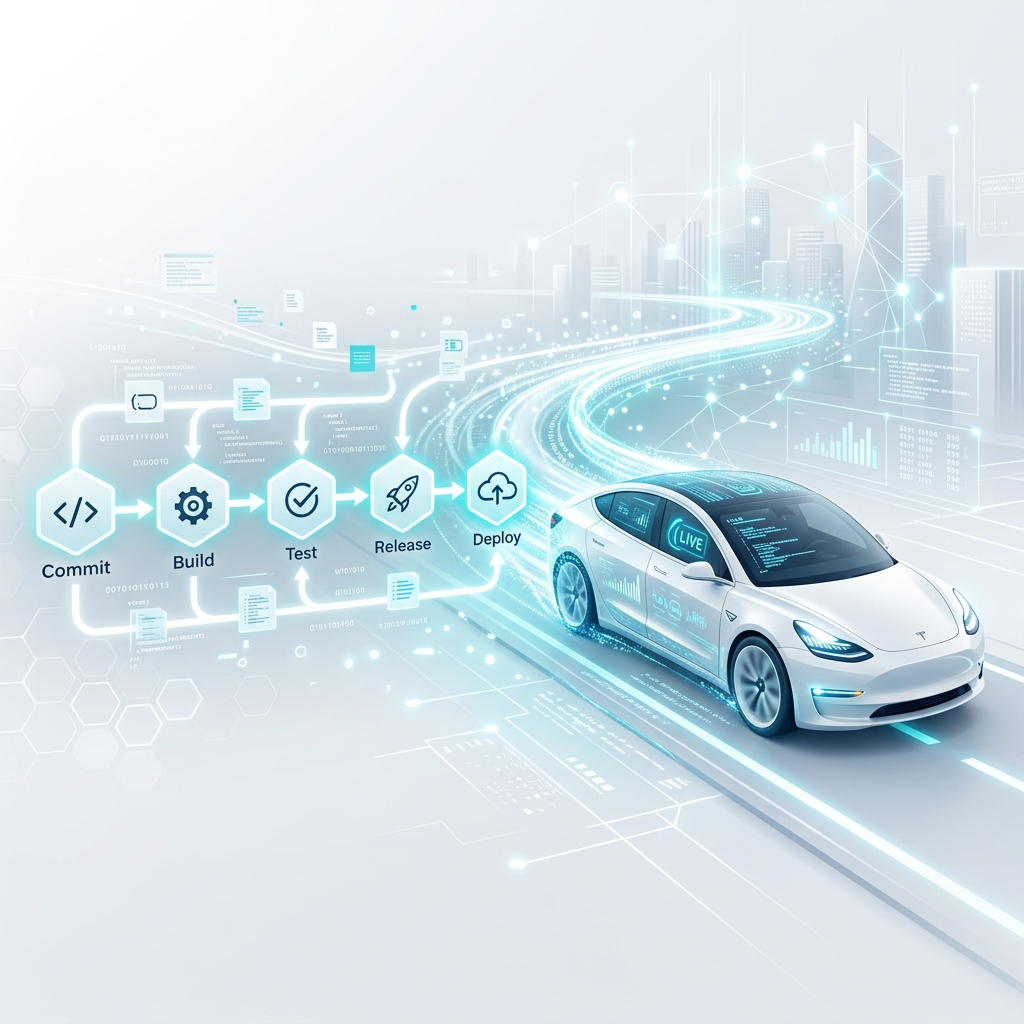
CI/CD Pipeline
DevOps with hardware-in-the-loop testing ensuring continuous integration and quality validation.
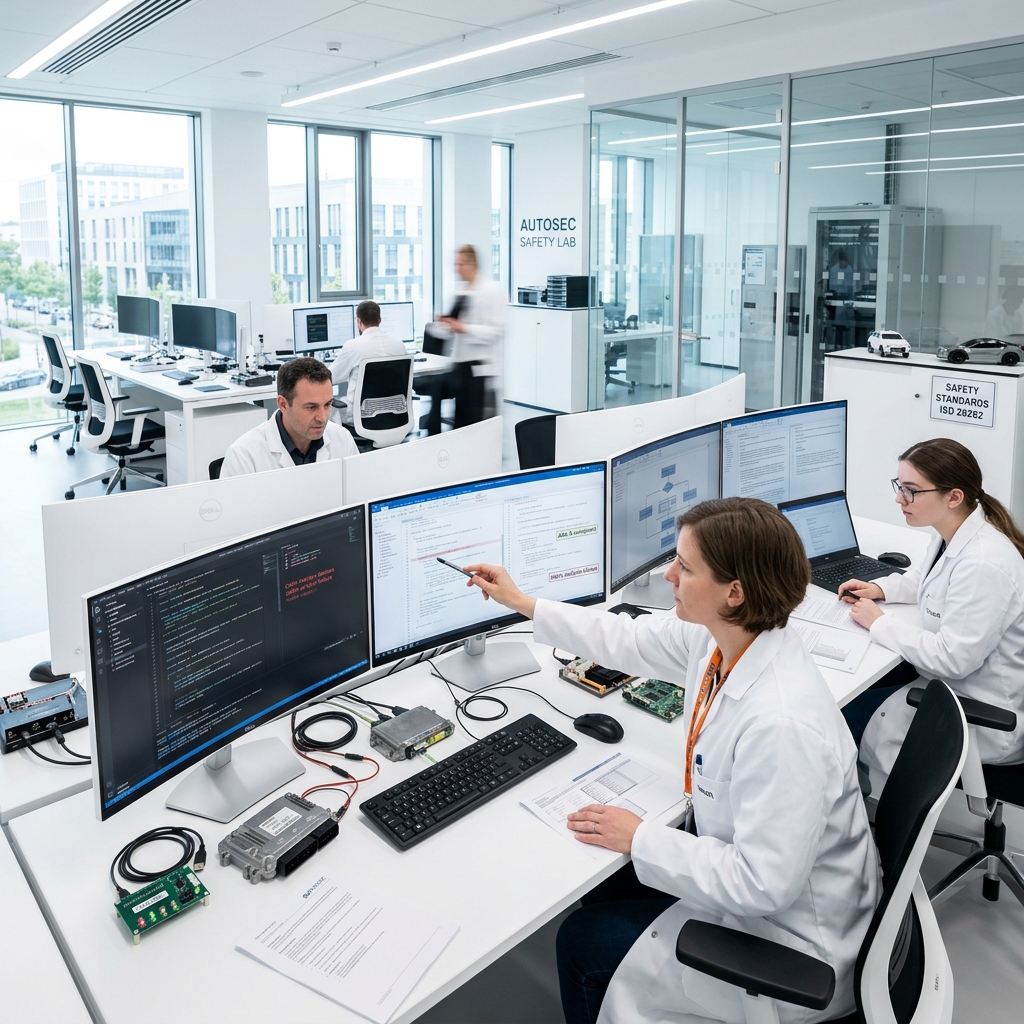
Safety-Critical Sprints
2-week sprints adapted for ISO 26262 & ASPICE compliance with rigorous checkpoints.

Agile Transformation
Shifting from traditional to agile thinking with adaptive planning and iterative cycles.
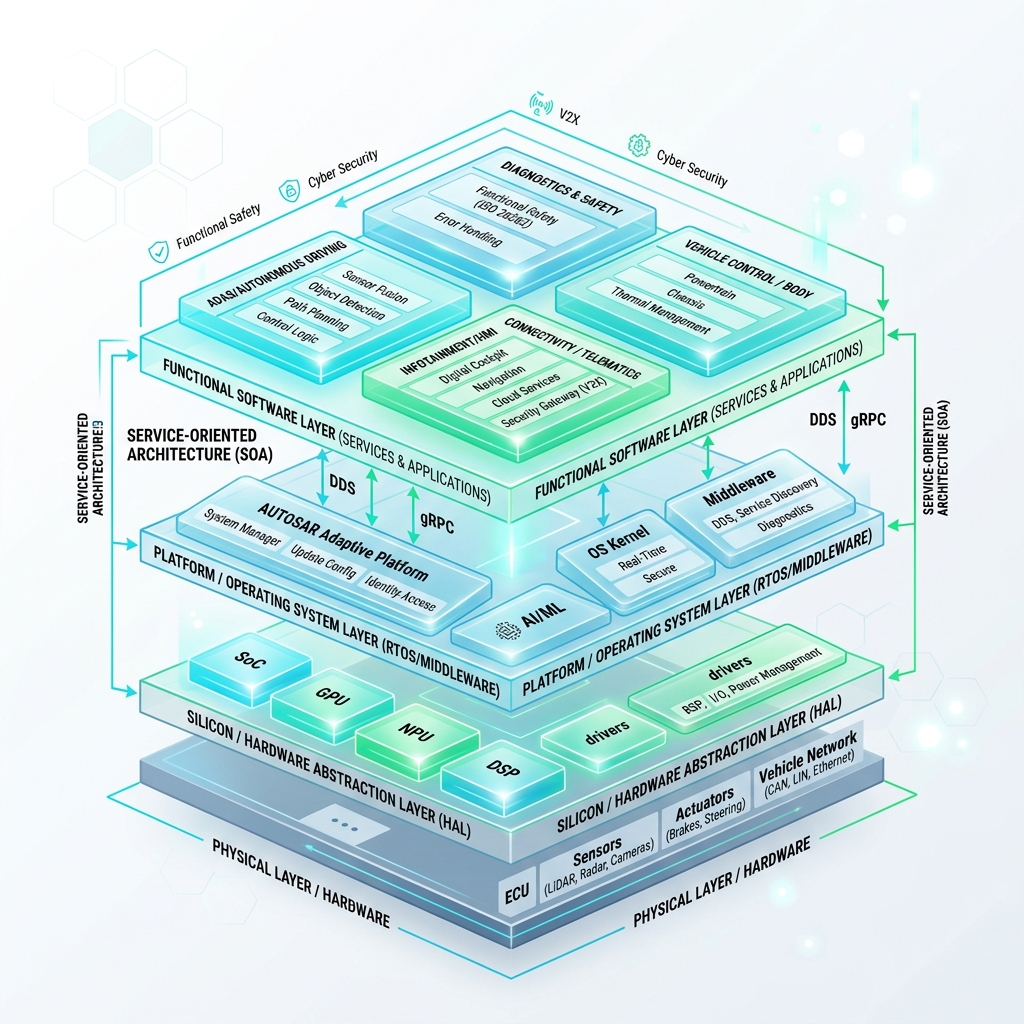
Architecture-First
Connected layers from requirements through deployment with continuous iteration.
Deep Technical Architectural Overview
A comprehensive examination of how we compile these engineering domains to realize safety-certified, adaptive vehicle dynamics.
The Centralization Shift: Zonal E/E
Traditional vehicle engineering represents a decentralized mesh where each functional request involves isolated physical components. Introducing next-generation safety requirements, autonomous driving vision models, and continuous over-the-air updates renders this design obsolete due to harness complexity, bandwidth bottlenecks, and physical space constraints.
To overcome this, we design and support zonal E/E platforms. Zonal controllers act as high-speed data hubs, collecting raw sensor inputs (CAN, LIN, SPI) from their respective physical zones and converting them to Ethernet packets. These packets are routed via SOME/IP or DDS to a centralized High-Performance Compute (HPC) platform, containing the core processing elements required to make localized decisions in microseconds.
Service-Oriented Middleware
In a Software-Defined Vehicle, applications are decoupled from the hardware layer through service-oriented middleware. Adaptive AUTOSAR provides the standard runtime environment (ara) for these applications. Instead of hardcoding signal routing via CAN matrices, application modules register as dynamic services exposing standardized APIs.
ara::com
Manages service registration, subscription, and method invocation, abstracting whether communication is local (IPC) or remote (Ethernet).
SOME/IP & SOME/IP-SD
Establishes high-performance serialization over IP networks allowing controllers to detect new service instances dynamically at runtime.
ARXML Manifests
Defines strict resource constraints, scheduler properties, and networking mappings, allowing safe incremental updates.
Real-Time OS & Mixed Criticality
Running high-performance autonomous perception alongside safety-critical vehicle dynamics controls requires a robust real-time operating system that guarantees freedom from interference. We utilize QNX Neutrino RTOS and Type 1 hypervisors to handle these mixed-criticality requirements:
Microkernel Architecture
QNX runs system drivers, filesystems, and network stacks in user space, ensuring that a driver crash cannot bring down the core kernel.
Hypervisor Partitioning
We run isolated virtual machines on a single SoC. Safety-critical tasks run in an ASIL-D QNX partition, while non-safety-critical interfaces (AAOS) run in parallel, fully isolated.
AI Acceleration (CUDA)
AI-Defined Vehicles (AIDV) demand parallel processing to handle multi-camera perception, LiDAR point cloud processing, and local NLP. We optimize these intensive math routines for embedded GPUs:
CUDA Kernels
Custom kernels handle image preprocessing, format conversion, and coordinate transformations in parallel, freeing CPU overhead.
TensorRT Optimization
Deep learning perception networks are optimized for runtime execution using INT8/FP16 quantization and kernel auto-tuning.
Next-Generation Zonal E/E Layout
Transition from decentralized ECUs to zonal hubs communicating with a high-performance Central Compute unit via SOME/IP over automotive Ethernet.
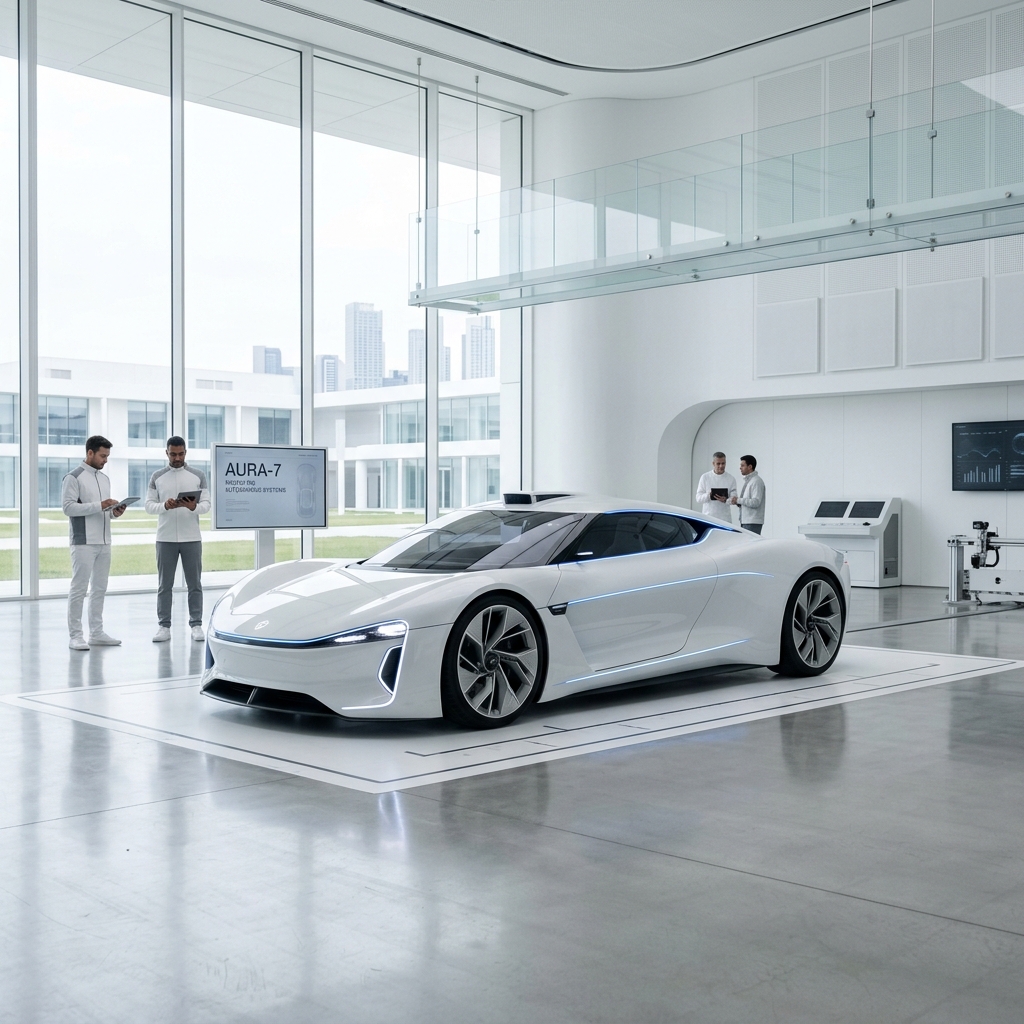
AI-Defined Vehicles (AIDV)
AI represents the intelligent cognitive layer of the vehicle. We provide elite AI engineers who embed neural network perception pipelines, high-performance sensor fusion, and natural language interfaces directly into the vehicle's runtime environment.
Heterogeneous Compute
CUDA-accelerated sensor processing pipelines executing on high-performance automotive GPUs (NVIDIA Orin).
3D Computer Vision Perception
LiDAR-Camera sensor fusion models optimized via TensorRT for ultra-low latency inference.
Local Cabin AI & NLP
Deployment of local Small Language Models (SLMs) for low-latency in-cabin offline voice assistants.
Comprehensive Engineering Matrix
Traceable competencies spanning SDV Infrastructure and Autonomous Intelligence (AIDV).
Adaptive AUTOSAR
Vector DaVinci, ARXML Manifests, ara::com, ara::exec
Implements custom service designs; manages state transitions.
Optimizes stack configurations; troubleshoots platform startup.
IPC & SOME/IP
SOME/IP-SD, POSIX Shared Memory, Domain Sockets, vsomeip
Customizes serialization rules; manages zero-copy allocations.
Architects global vehicle network messaging protocols.
Autonomous Algorithms
Kalman Filters, A*, Hybrid A*, MPC, Optimization
Optimizes complex multi-sensor fusion algorithms.
Sets algorithmic research vectors; designs safety-critical fallback trajectories.
Vision & NLP
PyTorch, YOLO, Transformer Architectures, SLMs
Runs quantitative compression models (INT8) for SoCs.
Directs multimodal VLA AI research; designs safety-assured deep learning architectures.
Parallel Compute (CUDA)
CUDA Toolkit, NVIDIA TensorRT, Thrust, cuDNN
Writes high-performance kernels for tensor operators.
Architects global GPU scheduler mechanisms.
POSIX OSes (QNX)
QNX Neutrino RTOS, Automotive Grade Linux, Hypervisors
Configures hypervisors; tunes real-time scheduling priorities.
Architects complete OS layout for critical SoCs (ASIL-D).